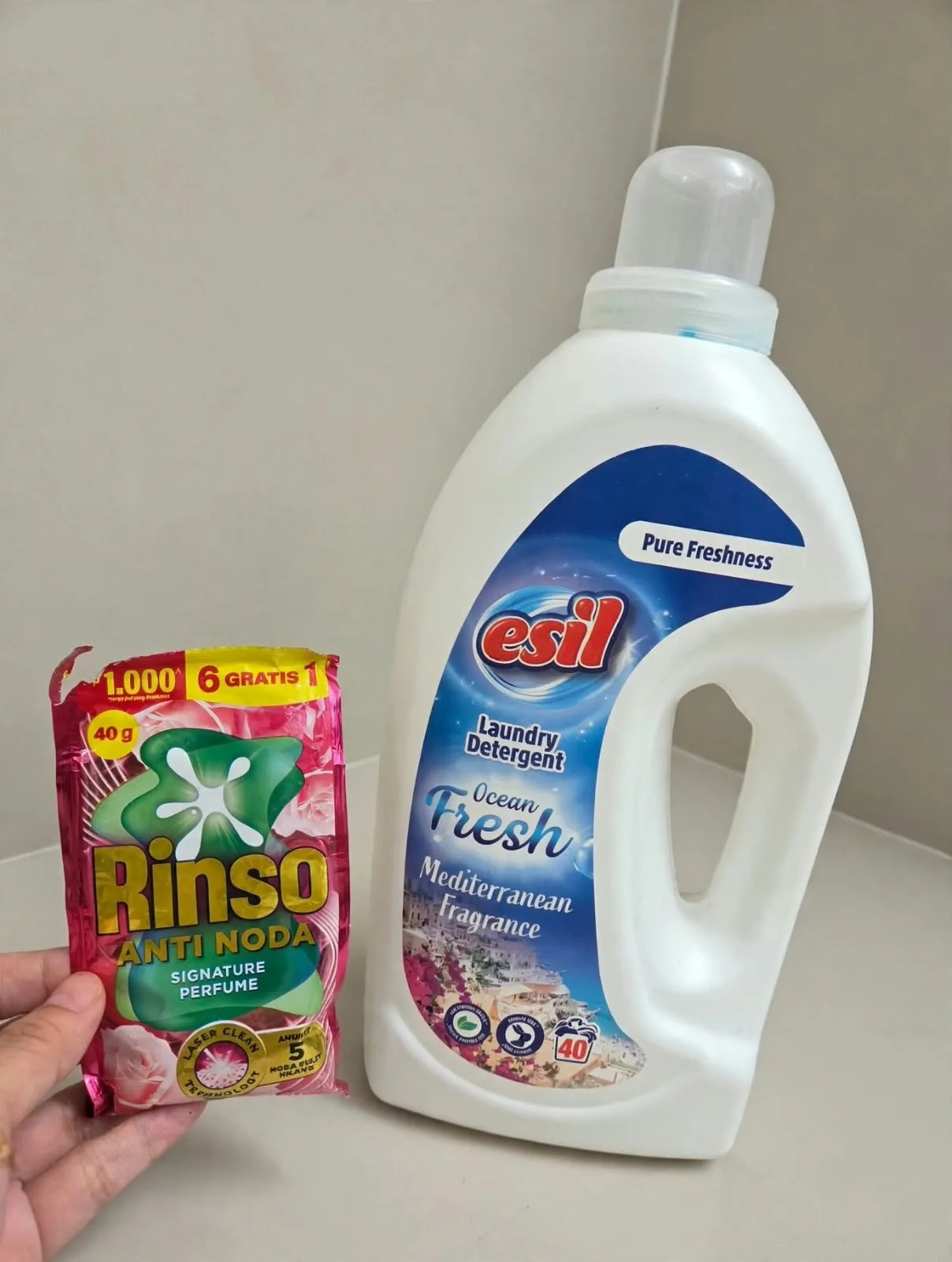
Since moving to Coventry for my PhD, I’ve noticed everything is BIG: family packs, 2-litre bottles, multipacks. Back home in Indonesia, almost anything comes in a sachet.
I think this is much more than a packaging choice. Several factors make the difference interesting:
💰 Economic: Many Indonesians earn daily, so they spend daily. In the UK, monthly salaries, credit and cars make bulk buying the logical choice.
🧠 Behavioral: Sachets often cost more per gram. But when cash is tight, today’s price matters more than the unit price, which creates a “poverty premium”.
🏪 Business: This is Prahalad’s “bottom of the pyramid” in action: affordable portions designed for small warung shelves, not big supermarkets.
🏠 Lifestyle & infrastructure: Indonesian homes are often smaller with limited storage, humid weather spoils opened products, and many people travel by motorbike rather than car. Sachets also let people try products cheaply and buy variety.
🌍 The hidden cost, sustainability: Sachets are mostly multi-layered plastic that is very hard to recycle. An estimated 855 billion sachets are sold globally each year, and nearly half of them in Southeast Asia. Indonesia generates about 7.8 million tonnes of plastic waste annually, and sachets and pouches make up around 76% of its mismanaged plastic. That cost isn’t on the company’s income statement or the consumer’s receipt. It’s an externality paid by communities and the environment. That’s why Extended Producer Responsibility, Indonesia’s plan to phase out small sachets, and credible environmental disclosure all matter.
So, a sachet isn’t “small thinking”, and a giant bottle isn’t “smart shopping”.
Each one reflects how people earn, live, move and plan financially.
Living between these two systems reminds me that good research and good business start with understanding context before judging behaviour.
So, do you prefer buying sachets or bulk packaging?
Personally, what I miss most is walking to the warung Madura near my house and picking a different sambal sachet every time. Here, I have to commit to a whole bottle! 😄🌶️
#Accounting #BehaviouralFinance #Sustainability #Indonesia #PhDLife