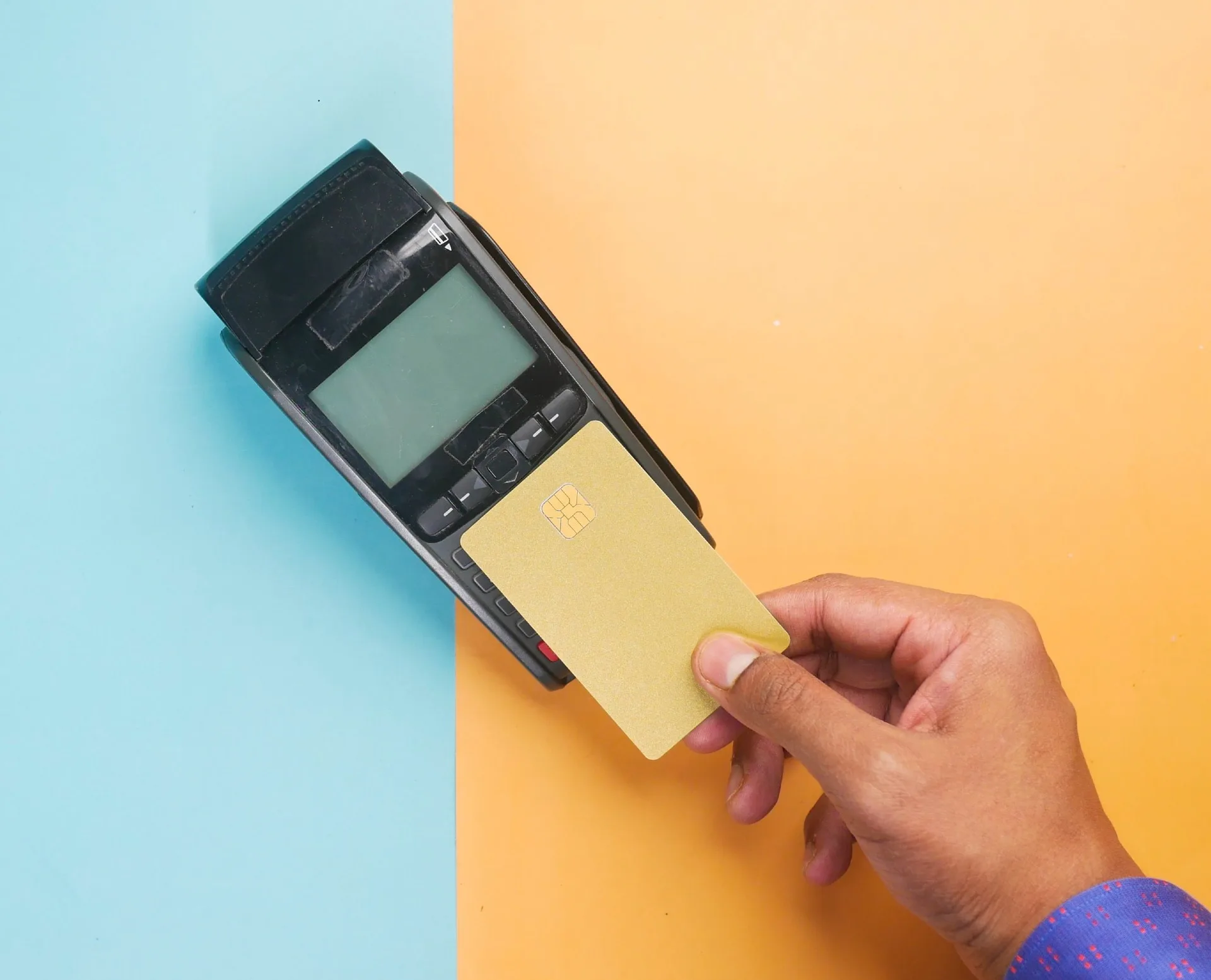
When I moved to the UK, I expected it to be far ahead in digital payments. Then I realised I hadn't scanned a single QR code to pay since I arrived.
Back home, you can scan QRIS to pay at a fried-rice cart, a parking attendant or even a street-food stall outside a school. Here, everyone taps a card.
So who's ahead? It depends on what you measure.
By share of payments, the UK wins. Cash was only 8% of UK payments in 2025, and 39% were contactless.
By the reckoning, Indonesia is the winner. QRIS is accepted by about 45 million merchants, and almost 97% of them are small businesses. Transactions doubled in the first half of 2026. Cash is still common, though.
Why the difference?
💡 Leapfrogging: Indonesia went straight from cash to smartphones and mostly skipped the card era. A QR sticker costs a warung almost nothing, but a card terminal doesn't.
🏦 Habit: The UK built its card system over decades, so QR payments never had a reason to take off.
🏛️ Policy: QRIS is one national standard set by Bank Indonesia, and since October 2026, small transactions have carried a 0% merchant fee.
As an accountant, the part I find most interesting is inclusion. Every QRIS payment at a small warung leaves a digital record, and that could help micro businesses build financial histories and get access to credit.
Going cashless isn't one race. The UK got there through cards. Indonesia is getting there through its smallest shops. Which do you prefer: tap or scan?
#DigitalPayments #FinancialInclusion #Accounting #Indonesia
This article also could be read at https://www.linkedin.com/feed/update/urn:li:activity:7530315347141427200/