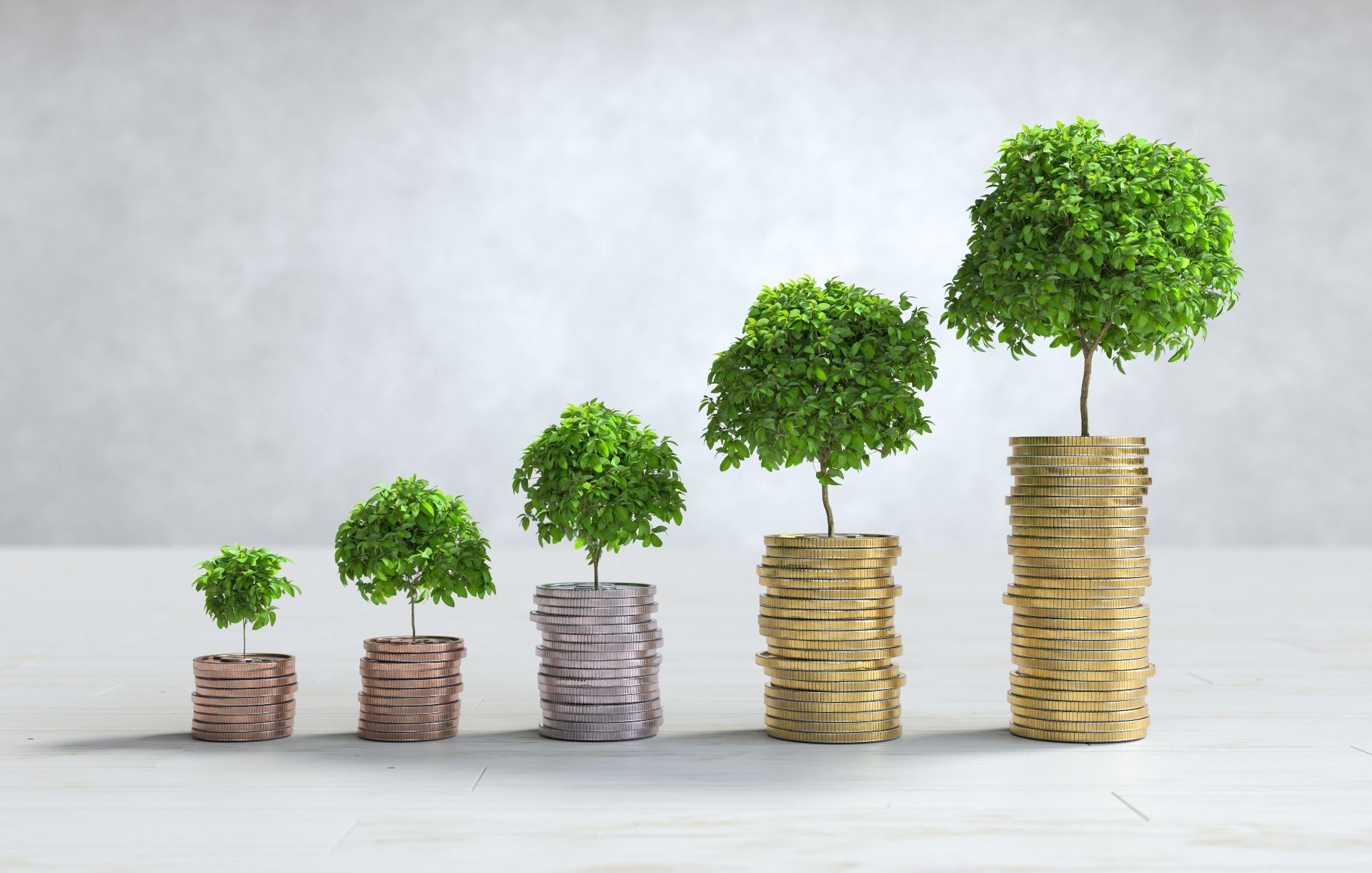
A book by Thomas Piketty entitled Capital in the Twenty-First Century presents a simple yet profound argument. The argument is that capital invested in the stock market and real estate grows faster than income. In simpler terms, there are two key lessons we can take from this argument. First, we will never become wealthy if we rely solely on income from our earnings. Second, to have capital to invest, we must first have money, and this is how the capitalist system operates in today's world. Some of us may frown and shake our heads upon hearing this argument, particularly those who adhere to conventional economic philosophies.
In the context of individual and household financial management, the key to achieving financial well-being is to adopt a modest lifestyle. The principle is simple: spend less than you earn, and then invest. Focus on functionality and benefits rather than prestige and comfort. Owning and driving a car may look impressive and provide convenience, but occasionally using Trans Jogja public transportation is perfectly fine and can help reduce traffic congestion in Yogyakarta. Shopping at malls and taking selfies while shopping, then uploading them to social media, may seem fashionable, but shopping at traditional markets can also be enjoyable.
Economic inequality has become increasingly visible in recent years. This can be seen in how the "capitalist" class continues to multiply its wealth at a faster rate, while low-income groups become the most disadvantaged. It becomes a major problem when we do not have capital to invest while our employment income is barely sufficient to meet our daily needs. The problem becomes even greater when, under these circumstances, we continue to prioritize prestige, appearance, and comfort rather than working harder and using the resources we have to generate additional income. If we cannot increase our income, we need to maintain our standard of living by reducing expenses. However, if we have some spare money that we can afford to set aside, we should consider using it for investment.
Why should we invest? Because saving alone is not enough. The average inflation rate in our country is almost as high as the interest rates offered by bank time deposits. Moreover, ordinary savings accounts typically offer interest rates of only around 1–2%. As a result, the purchasing power of our money will gradually be eroded by inflation. There are several investment instruments available, ranging from bonds and mutual funds to individual stocks. Investments can also take the form of gold and property. For beginners, mutual funds are a better starting point to "test the waters" and develop investment knowledge and experience. Mutual funds are relatively affordable investment products, accessible to beginners, and can be started with a small amount of capital. For example, suppose we invest Rp300,000 every month in mutual funds. Assuming we continue investing for 40 years with an annual investment return of 10%, we could accumulate approximately Rp1.5 billion by the end of the 40th year. If the annual return turns out to be 15%, we could accumulate approximately Rp6.5 billion. The larger and longer our investment, the greater the potential amount we may receive. Anyone can become a billionaire. All that is required is discipline and the courage to start and stay committed.
The question is: how committed are we to investing? Psychologically, people tend to prefer enjoying immediate gratification rather than delaying pleasure in exchange for greater rewards in the future. What happens if our friend owns an iPhone 14 Pro Max while we are still using a four-year-old mobile phone? Or if our friend can afford monthly installments on a brand-new sports motorcycle and proudly revs its engine, while we can only afford to invest in mutual funds every month? What can we proudly show off?
Ultimately, the more we reduce our expenses and manage our standard of living, the longer we can sustain ourselves on the income we receive. Living simply does not mean living in poverty. Rather, living simply means adopting a lifestyle that leads toward financial well-being. Let us work together to improve the financial capabilities of low-income groups so that they can achieve prosperity. The choice is ours: whether we want to optimize our economic capabilities for the future or simply satisfy personal desires that will eventually become outdated with time.
Dheni Indra Kusuma, S.E., M.Si., Ak., CFP